The Art and Science of Screen Printing
The Art and Science of Screen Printing: Exploring Different Techniques
Screen printing, a time-honored method for transferring images onto various substrates, has evolved into a sophisticated and versatile process. This printing technique, known for its vibrant colors and durability, is widely used in the promotional products industry. In this article, we'll explore the different types of screen printing, highlighting their unique characteristics and applications.
1. Traditional Screen Printing
Description:
Traditional screen printing, also known as silk screening, involves creating a stencil (or screen) and using it to apply layers of ink on the printing surface. Each color in the design requires a separate screen. Check out examples of traditional screen printing.
Applications:
- T-shirts and apparel
- Posters and art prints
- Signage and banners
Advantages:
- Vibrant colors and excellent opacity
- Suitable for large volumes
- Works well on a variety of materials

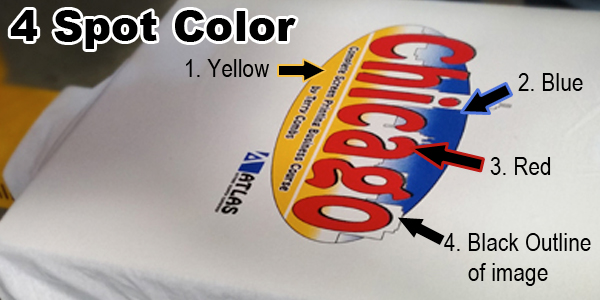
2. Spot Color Screen Printing
Description:
Spot color screen printing uses a single color per screen. This method is ideal for designs with a limited number of colors and involves precise color matching.
Applications:
- Corporate logos on promotional items
- Simple graphic designs on apparel
- Limited edition prints
Advantages:
- Cost-effective for small runs
- Accurate color reproduction
- Clean, sharp images
3. CMYK Screen Printing
Description:
CMYK (Cyan, Magenta, Yellow, and Key/Black) screen printing, also known as four-color process printing, uses four screens to create a full-color image. This technique involves blending the primary colors to achieve a wide spectrum of hues.
Applications:
- Photographic images on apparel
- Detailed artwork on posters
- Multicolor graphics on promotional products
Advantages:
- Capable of producing photorealistic images
- Suitable for complex designs
- High-quality color blending

4. Discharge Screen Printing
Description:
Discharge screen printing uses a water-based ink that removes (or discharges) the dye from the fabric, leaving a soft print. This method is particularly popular for dark-colored garments.
Applications:
- Vintage-style prints on T-shirts
- Soft prints on hoodies and sweatshirts
- Fashion-forward apparel lines
Advantages:
- Soft, breathable prints
- Vibrant colors on dark fabrics
- Eco-friendly ink options

5. Water-Based Screen Printing
Description:
Water-based screen printing uses inks that are water-soluble, resulting in a softer feel compared to traditional plastisol inks. This method is ideal for achieving a vintage look.
Applications:
- Eco-friendly apparel
- High-fashion garments
- Products requiring a soft hand feel
Advantages:
- Environmentally friendly
- Soft, breathable prints
- Ideal for intricate designs

6. Plastisol Screen Printing
Description:
Plastisol screen printing uses a plastic-based ink that sits on top of the fabric rather than soaking into it. This method is widely used for its durability and vibrant color options. A local Whidbey screen printer using plastisol screen printing.
Applications:
- Sports team uniforms
- Promotional T-shirts
- Durable workwear
Advantages:
- Long-lasting prints
- Bright, vibrant colors
- Versatile on various fabrics
7. Foil Screen Printing
Description:
Foil screen printing involves applying a layer of adhesive to the fabric and then heat-pressing a sheet of metallic foil onto it. This method creates a shiny, reflective finish.
Applications:
- Fashion apparel
- High-end promotional products
- Decorative items
Advantages:
- Eye-catching metallic effects
- High perceived value
- Unique and stylish finishes

Conclusion
Each type of screen printing offers distinct advantages and is suited to different applications. Understanding these techniques allows businesses to choose the best method for their specific needs, ensuring high-quality, durable, and visually appealing results. Whether you're looking to create bold promotional products or fashion-forward apparel, there's a screen printing method that can bring your designs to life.
References
1. American Screen Printing Association. (n.d.). Screen Printing Basics. Retrieved from aspa.com
2. Printwear Magazine. (2021). The Evolution of Screen Printing Techniques. Retrieved from printwearmag.com
3. SGIA. (2020). Screen Printing: An Overview. Retrieved from sgia.org